
Spotlight on an important French Renaissance relief attributed to Barthélemy Prieur (1540–1611)
For this month’s Spotlight, we focus on a rare and beautiful gilt-bronze relief from the French Renaissance.
This outstandingly well-realised Christian narrative plaque, showing Zachariah presenting the infant John the Baptist to the Christ-child, the Virgin and St Anne, was clearly designed to be framed for devotional purposes.
It can be attributed only on the basis of internal evidence, for, seemingly being unpublished until Dr Charles Avery's academic report (available on request), it brings with it no information from earlier scholarly opinion. However, an attentive examination, involving the comparison in style and physical type of all five diverse figures involved in the Sacred Drama independently of one another, leads ineluctably to the conclusion that it is almost certainly a masterwork by Barthélemy Prieur; surprisingly, it may be the first narrative relief to be identified as by him (only two bronze relief heads are recorded in his 1583 inventory).
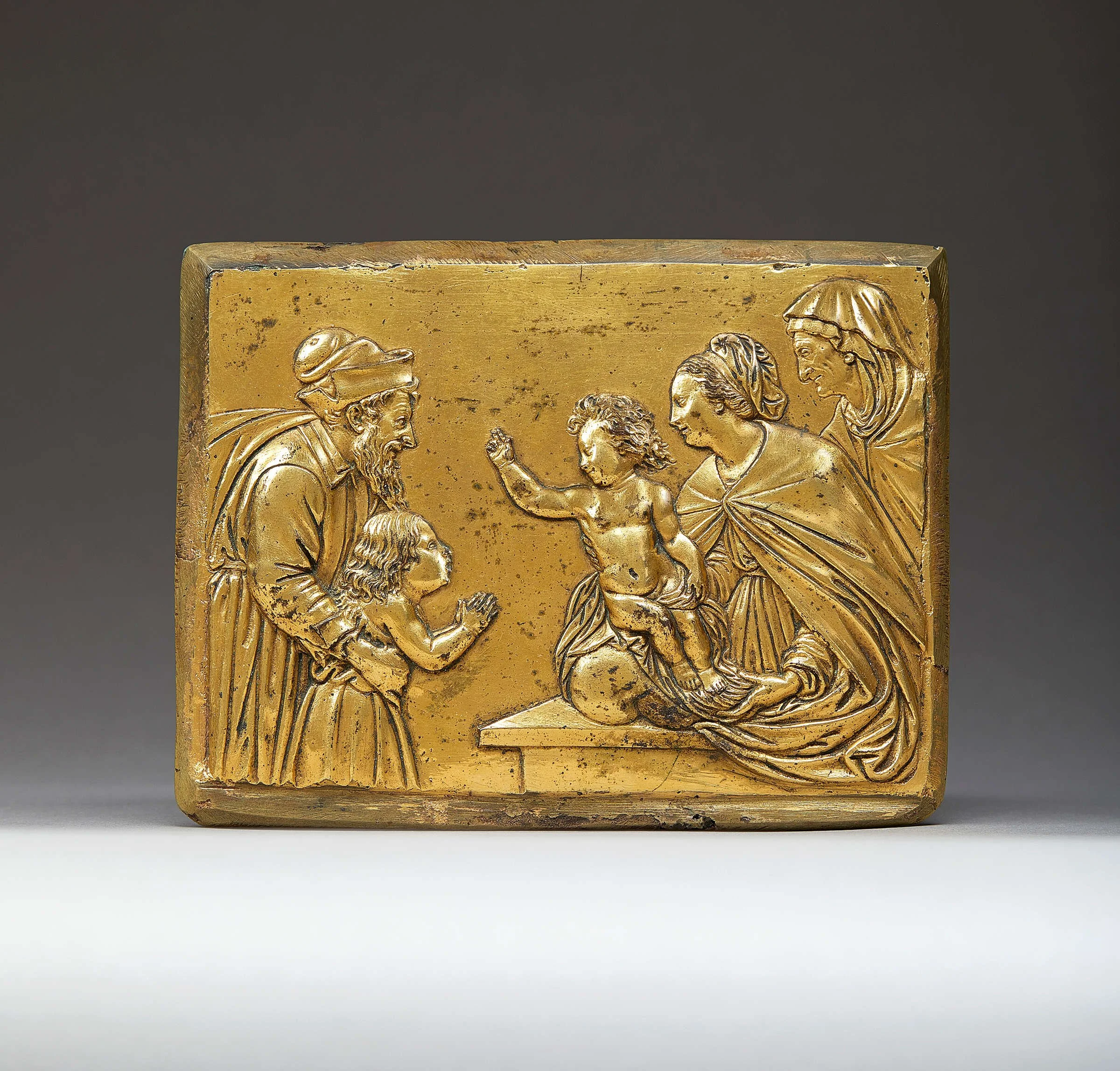
Fig. 1: Attributed to Barthélemy Prieur (Berzieux, Champagne 1540-1611, Paris), Relief of a Sacra Conversazione, circa 1600. Gilt bronze. Dimensions: 17.3 x 13.2 cm.
Prieur was a French sculptor working in stone and marble who - especially towards the end of his life - specialised in casting bronze statuettes in commercial series. An inventory drawn up after the death of Prieur’s first wife in 1583 reveals his affluence, and the range of the models that he was producing in bronze.
On account of being a Protestant, in 1585 he fled to Sedan, where in 1591 he was named sculptor to the king by Henri IV. Returning to Paris with that monarch in 1594, he became involved in the architectural decoration of the Palais du Louvre, as well as preparing statues for the monument of Henri's heart and of his queen, Marie de' Medici.
Characteristic of Prieur’s many statuettes and busts of young women – nearly always secular, indeed pagan, classical nymphs or goddesses – is the profile of the face such as is used here for the Virgin Mary (see fig. 2): a high forehead sloping back in an almost Grecian continuous line from a small nose, with a receding hairline, while small pursed lips appear above a daintily receding chin.
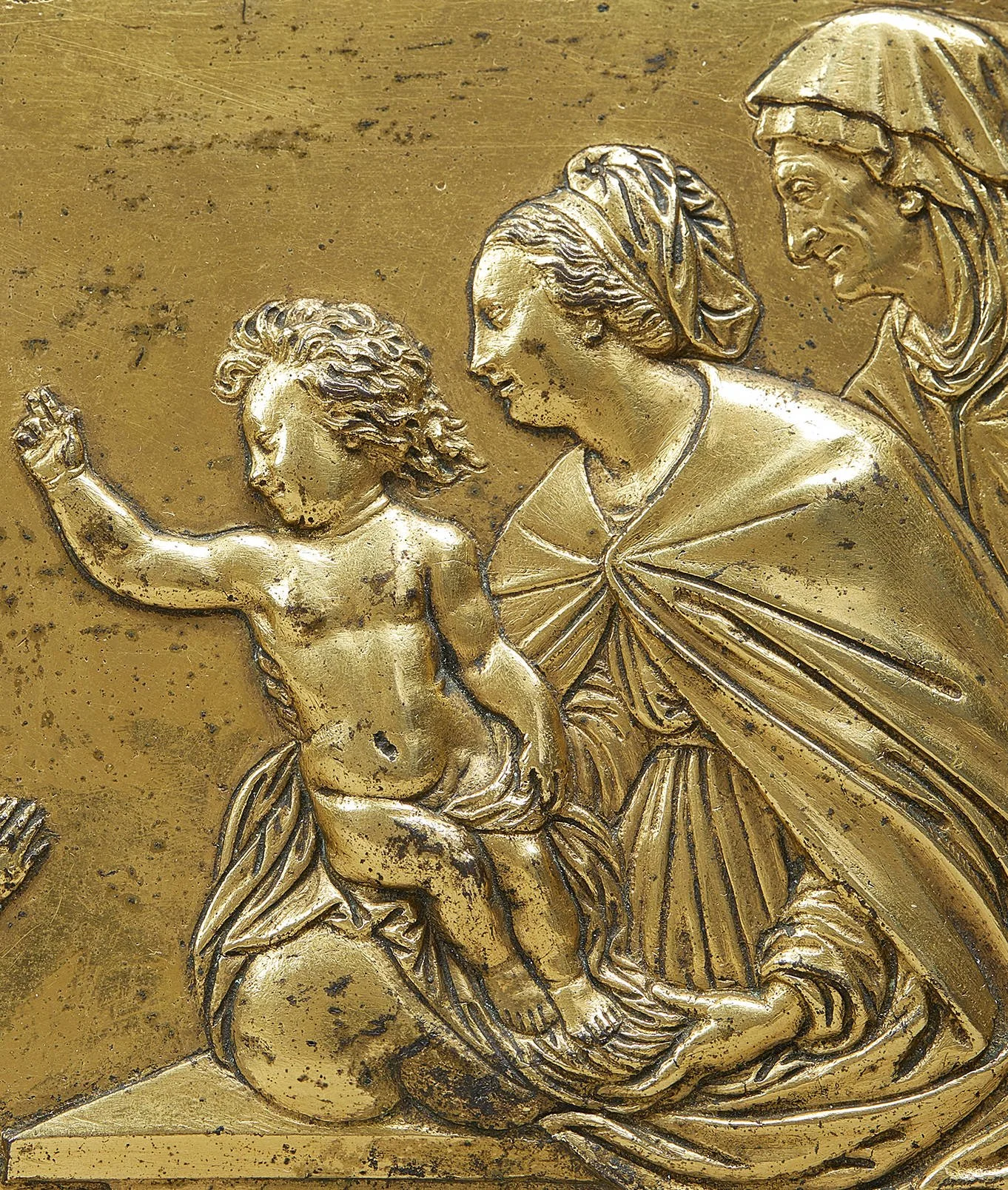
Fig. 2: detail of the Virgin, Christ-child and St Anne from the present relief
Meanwhile, the play of folds, with deep flutes seemingly gouged out of the broader planes of fabric and echoing one another in a profusion of nearly parallel lines, finds close analogies in the clothes of the kneeling Milkmaid with a cow. The divine child is a close cousin in appearance and his bouffant curls of an all-too-human toddler in Prieur’s Mother and Child, a version of which is in the Louvre (inv. OA 3955, see fig. 3); as well as his Running Boy or Cupid, shooting with a bow and arrow.
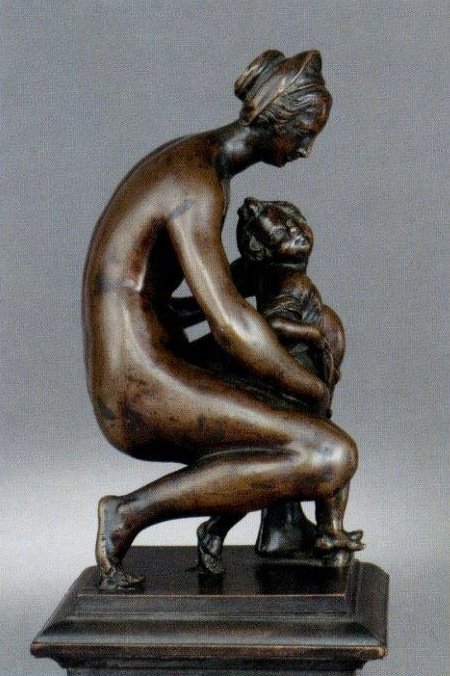
Fig. 3: Barthélemy Prieur, Mother and Child. Bronze, 14.5 cm. high. Louvre, inv. OA 3955
The elderly Zacharias, who leans forward from the left., with his eyes focussed on the Baby Jesus, but meanwhile restraining his son from advancing too eagerly, finds a resonance in a well-known genre-statuette by Prieur of a Vintner with basket, staff and a pruning-hook stuck behind his belt; while a companion of this statuette showing a Peasant-woman carrying a pot on her head (perhaps a fishwife?) provides in her rather severe, lined, face and hooded headgear a prototype for the ageing St Anne.
A painted terracotta relief of similar dimensions and the same composition, but excluding the St Anne, was sold in London in 1990 (Sotheby’s, New Bond Street, 13 Dec 1990, lot 39). That relief, however, is more crude than the present bronze, suggesting it is a later copy of our prime version. Although very rare, this composition, therefore, must have had some renown in its day and so was disseminated into different materials by followers of Prieur.
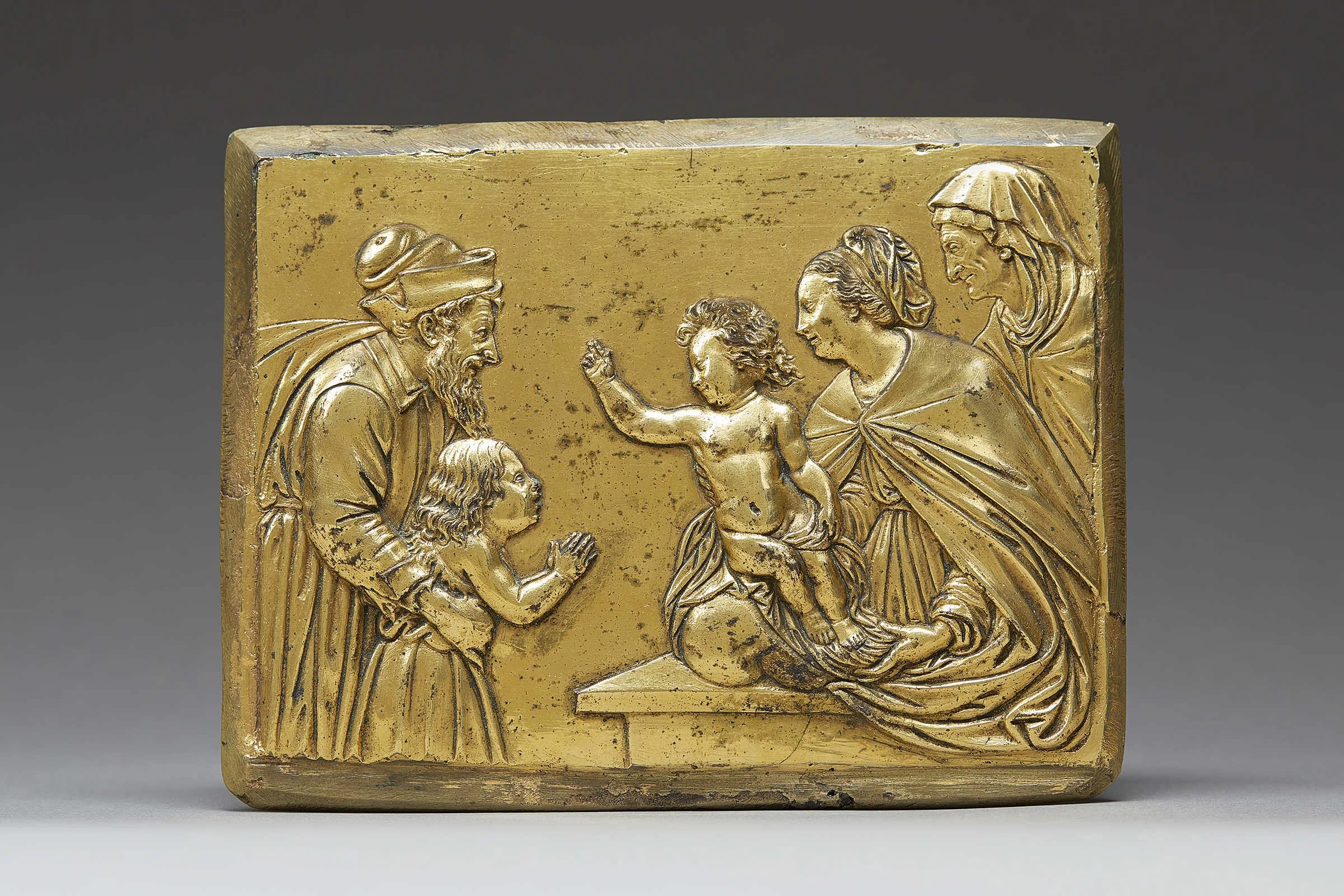
Fig. 4: the present relief
In conclusion, the similarities in style, dress and physiognomy to other known works by him support the attribution to Barthélemy Prieur, which would make this beautiful relief a fascinating extension of his known oeuvre.
A written expertise on this relief by Dr Charles Avery is available on request