
Spotlight on a Baroque marble bust of a goddess
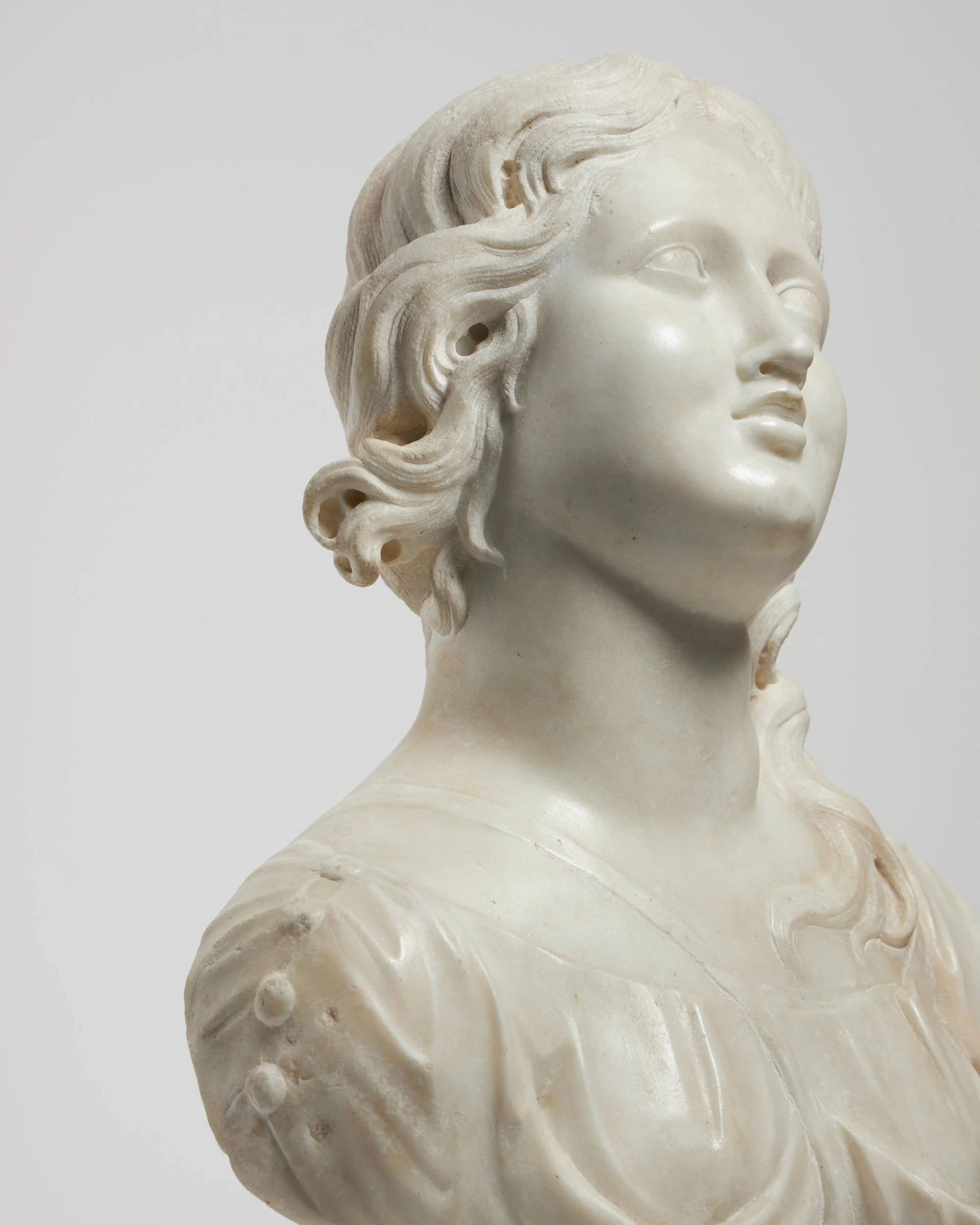
For this month's Spotlight we are showcasing an enchanting Baroque marble bust of a classical young lady, which was carved in the north of Italy in the Veneto in the late 17th or early 18th century.
The ribbon running over her right shoulder may identify the subject as Diana, the Roman goddess of hunting and the moon (known to the Greeks as Artemis), who is typically portrayed with a strap securing the quiver on her back for her bow and arrows, as in the present bust.
The young goddess is shown with her head raised to sinister in an ecstatic expression, her mouth slightly open and the pupils of her eyes lightly delineated. She wears an antique tunic fastened with buttons at each shoulder and falling in well-executed folds, with a ribbon running over her right shoulder. Her hair is executed in long strands which are deeply drilled and wind-swept, in the Baroque manner.
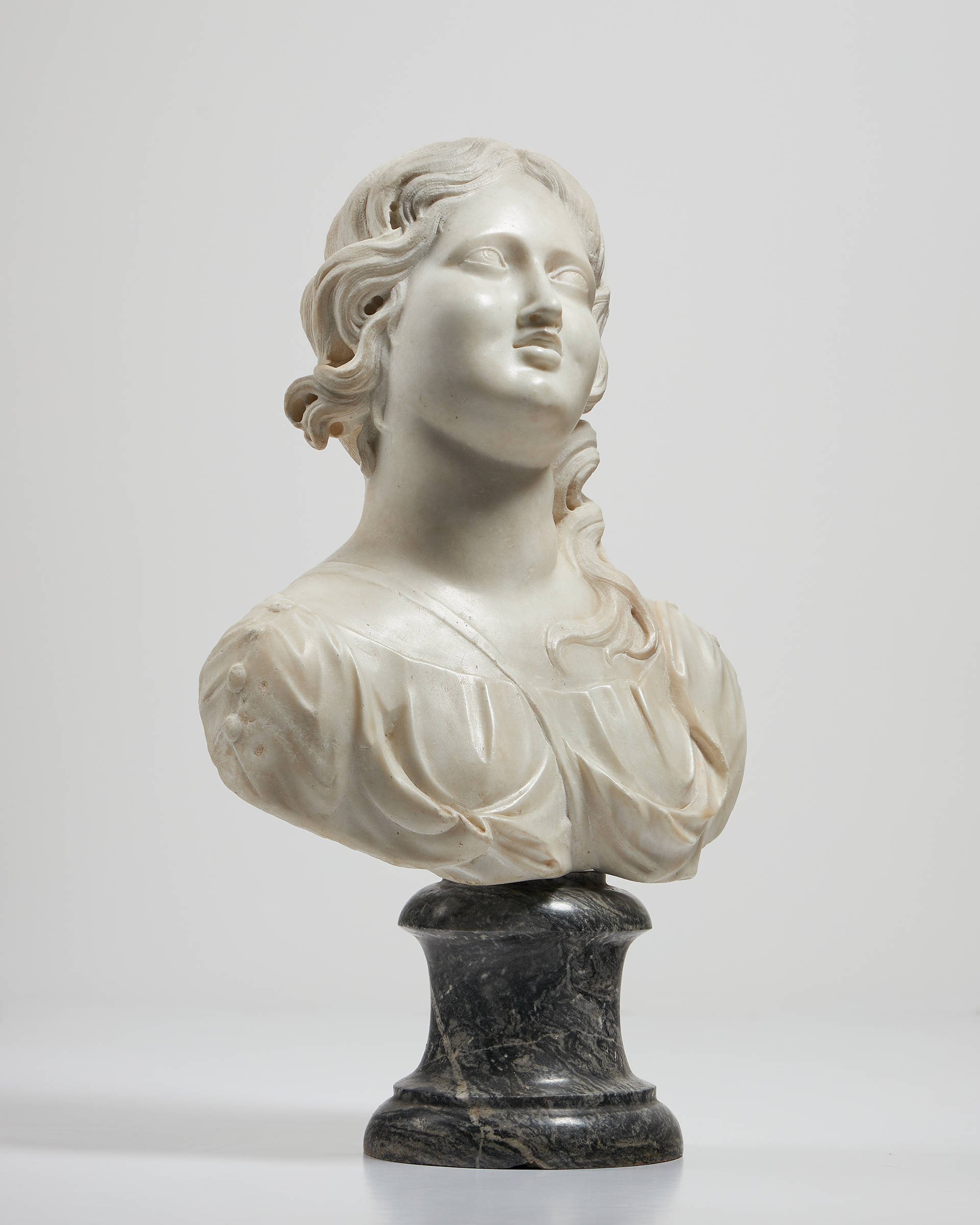
Fig. 1: North Italian, Veneto, circa 1700. Bust of a classical woman, possibly Diana. Marble, on a variegated marble socle, 56 cm. / 22 ins high overall.
The present bust is part of a tradition of expressive mythological busts made in the Veneto region in the second half of the 17th and early 18th century, in which a clear differentiation is made between the smoothly polished skin and drapery and the rougher rendering of the hair using a claw chisel, particularly at the back of the head.
Compositional analogies may be found in a 17th century Venetian bust of Diana (fig. 2), attributed to the French sculptor Juste Le Court (1627-78), who settled in Venice around 1655. Le Court's Diana is also carved with a ribbon around the right shoulder and the crumpled folds of drapery are executed in a similar fashion to those in the present work.
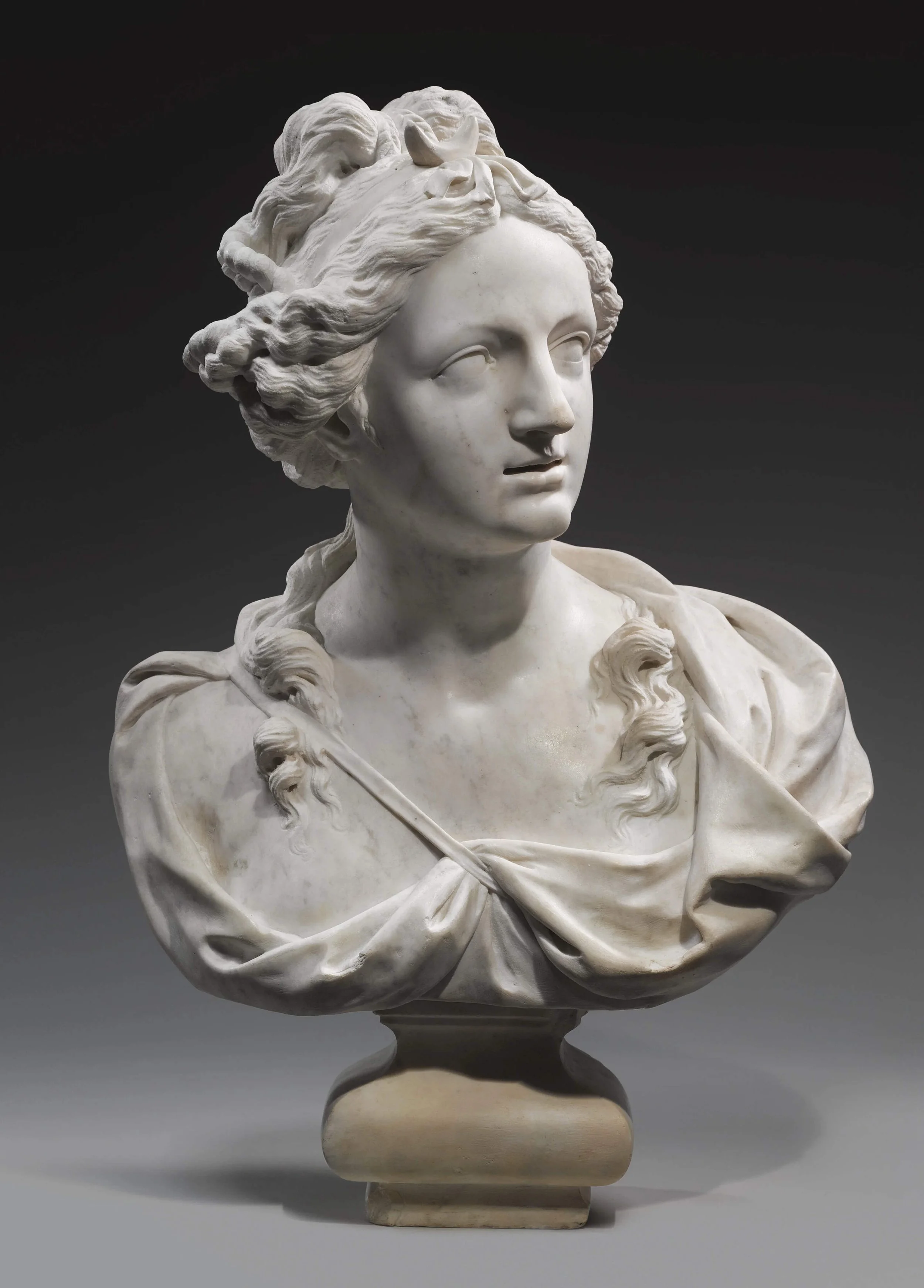
Fig. 2: Juste Le Court (1627-78). Bust of Diana, circa 1660. Marble, 70.5 cm. high. Sotheby’s, New York, 23 May 2012, lot 490. Photo Credit: Sotheby’s
Comparison can also be made with another bust of Diana (fig. 3) attributed to Michele Fabris, called L’Ongaro (1644-88), who worked in Venice from around 1662, which also exhibits wind-swept hair, a curl of hair running down the left shoulder and the head turned upwards to sinister.
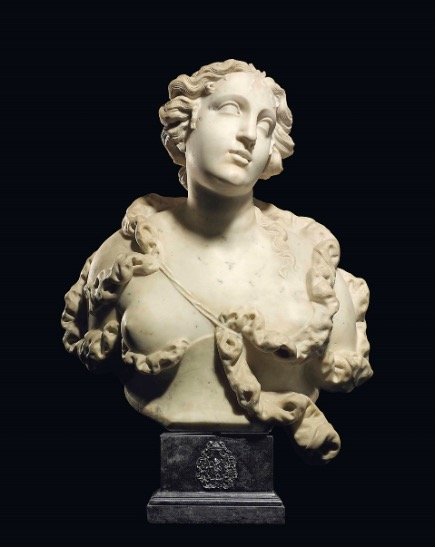
Fig. 3: Attributed to Michele Fabris, called L'Ongaro (1644-1684). Bust of Diana. Marble, 64.8 cm. high overall. Christie’s, London, 8 Dec 2015, lot 78. Image Credit: Christie's
Further similarities can be found in the works of Giovanni Bonazza (1654-1736), a Venetian sculptor who operated a large workshop in Padua from 1697. The rounded, un-classical face of our bust, for instance, may be compared to Bonazza’s exaggerated naturalism, as can the roughly treated back of the head carved with a claw-chisel, which is a common feature in Bonazza's oeuvre.
These similarities serve to confirm that our bust is north Italian in origin and was most likely executed in a workshop in the Veneto circa 1700, possibly by a sculptor associated with Bonazza or his circle. The bust was previously in a Spanish private collection and it's presented on an attractive variegated grey marble socle.
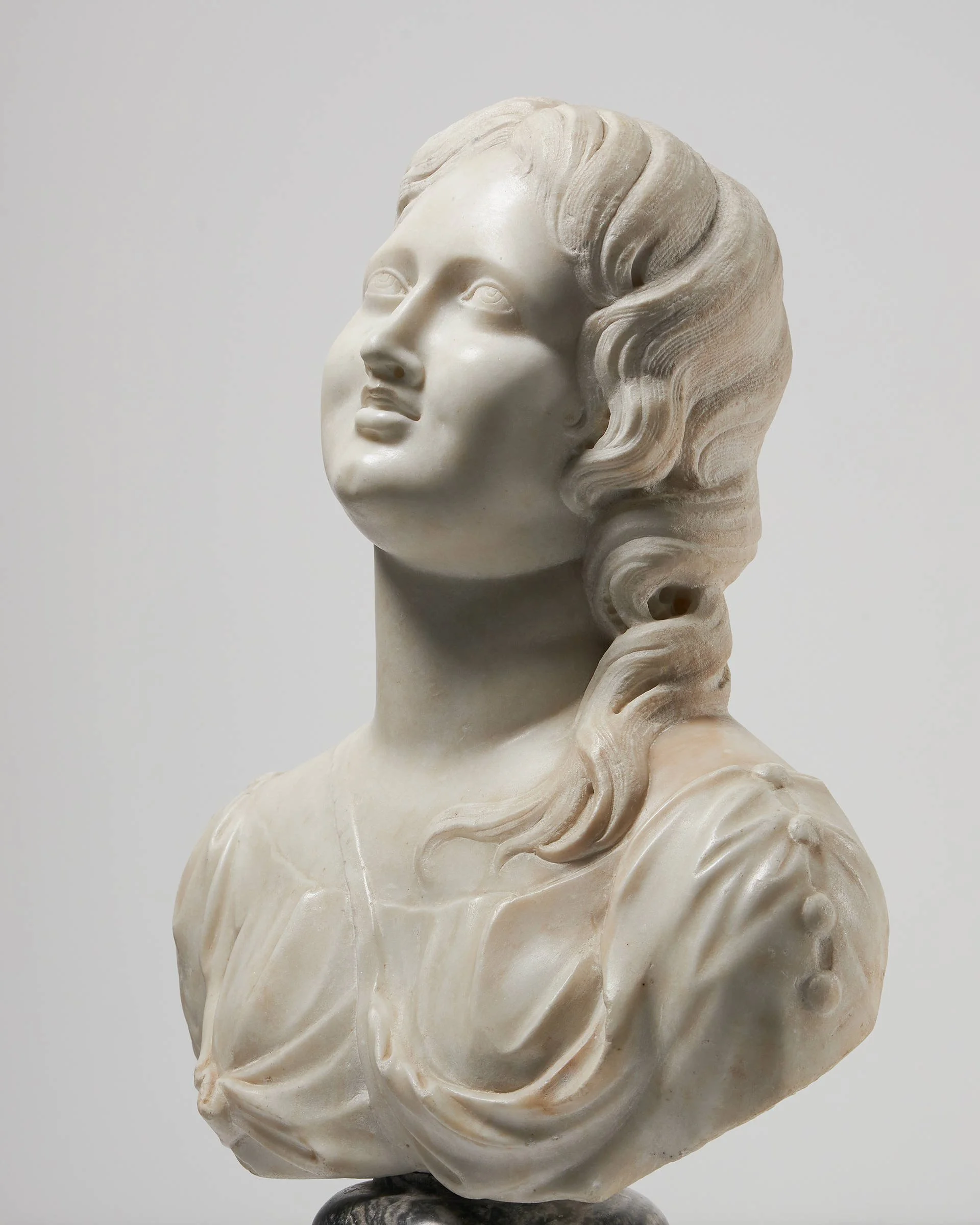
Fig. 4: the present bust, detail
Please contact us for further information about this sculpture or to arrange a viewing at our showroom in north London.