Italian, late 17th / early 18th century
After the Antique
Marble, on an ebonised wood base
19.5 cm. / 7 ¾ ins (the head), 30 cm. / 11 ¾ ins overall
This small marble head of a helmeted female goddess depicts the Roman goddess Minerva, known to the Greeks as Athena. Minerva was the goddess of wisdom and strategic warfare and was one of the three Roman deities in the Capitoline Triad, along with Jupiter and Juno. In art she is typically portrayed wearing a Corinthian helmet and holding a spear.
The present head, which has an attractive antique appearance, is a fragment from a larger marble figure or group. Judging by the flowing locks of hair and significant weathering and wear, it dates to the early 18th century in the late Baroque period in Italy and was placed outdoors for a considerable amount of time. It is likely that the figure was based on an antique prototype, such as the famous Athena (or Minerva) Giustinaini, in the Vatican Museums (inv. 2223, see Haskell and Penny, op. cit.).
For comparable classicising marble figures from this period showing a helmeted goddess, see the Italian figure of Minerva sold at Christie’s, London, 9 Dec 2004, lot 209 and another Italo-Flemish fragmentary figure of Minerva with a companion sold at Christie’s, King Street, 16 Nov 2021, lot 503.[1]
Please click here to enquire
RELATED LITERATURE:
F. Haskell and N. Penny, Taste and the Antique (New Haven, Yale, 1982), pp. 269-71, fig. 140
[1] For images of these figures, see: https://www.christies.com/en/lot/lot-4419995 and https://onlineonly.christies.com/s/collector/italo-flemish-late-17th-early-18th-century-503/132888
Italian, late 17th / early 18th century
After the Antique
Marble, on an ebonised wood base
19.5 cm. / 7 ¾ ins (the head), 30 cm. / 11 ¾ ins overall
This small marble head of a helmeted female goddess depicts the Roman goddess Minerva, known to the Greeks as Athena. Minerva was the goddess of wisdom and strategic warfare and was one of the three Roman deities in the Capitoline Triad, along with Jupiter and Juno. In art she is typically portrayed wearing a Corinthian helmet and holding a spear.
The present head, which has an attractive antique appearance, is a fragment from a larger marble figure or group. Judging by the flowing locks of hair and significant weathering and wear, it dates to the early 18th century in the late Baroque period in Italy and was placed outdoors for a considerable amount of time. It is likely that the figure was based on an antique prototype, such as the famous Athena (or Minerva) Giustinaini, in the Vatican Museums (inv. 2223, see Haskell and Penny, op. cit.).
For comparable classicising marble figures from this period showing a helmeted goddess, see the Italian figure of Minerva sold at Christie’s, London, 9 Dec 2004, lot 209 and another Italo-Flemish fragmentary figure of Minerva with a companion sold at Christie’s, King Street, 16 Nov 2021, lot 503.[1]
Please click here to enquire
RELATED LITERATURE:
F. Haskell and N. Penny, Taste and the Antique (New Haven, Yale, 1982), pp. 269-71, fig. 140
[1] For images of these figures, see: https://www.christies.com/en/lot/lot-4419995 and https://onlineonly.christies.com/s/collector/italo-flemish-late-17th-early-18th-century-503/132888

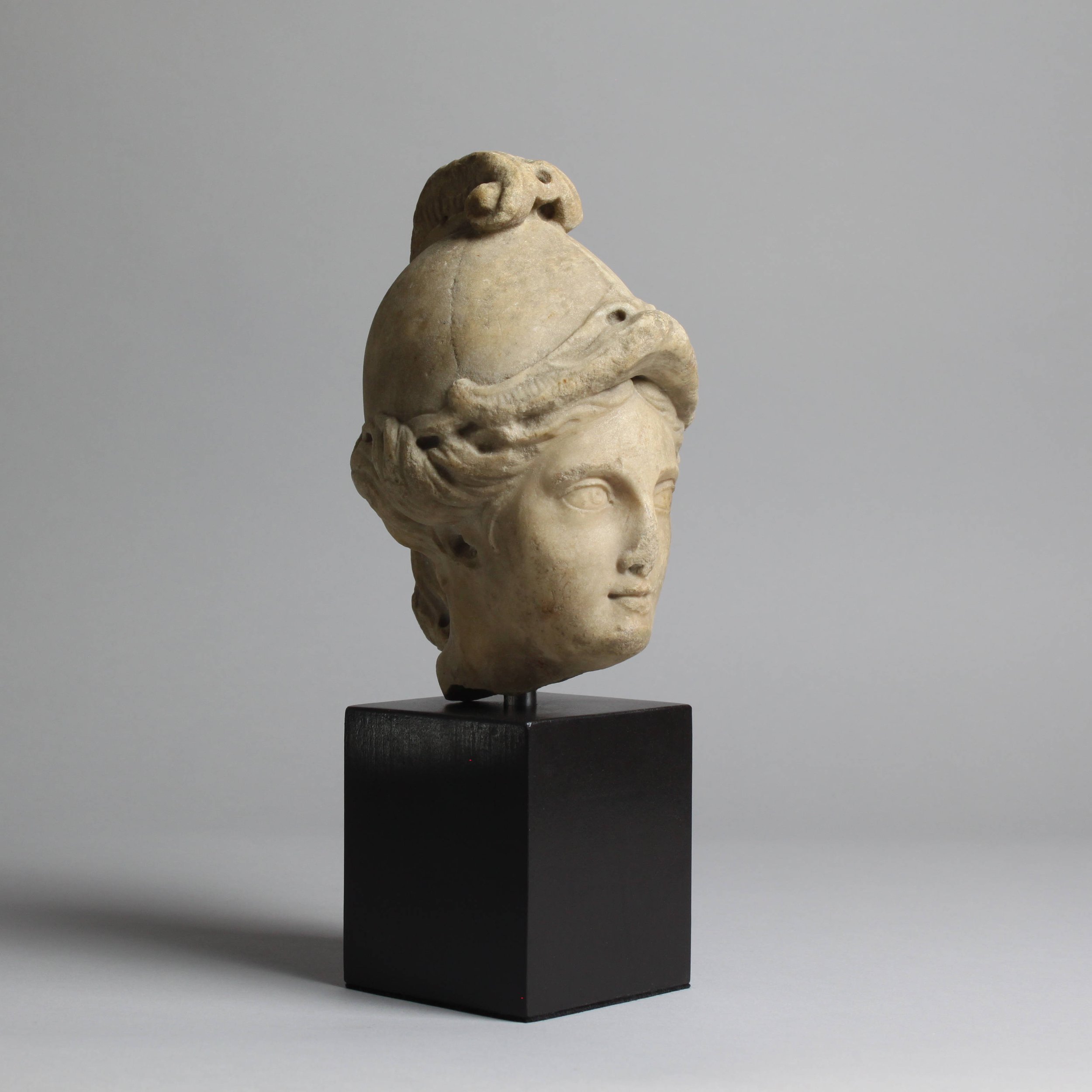 Image 1 of 7
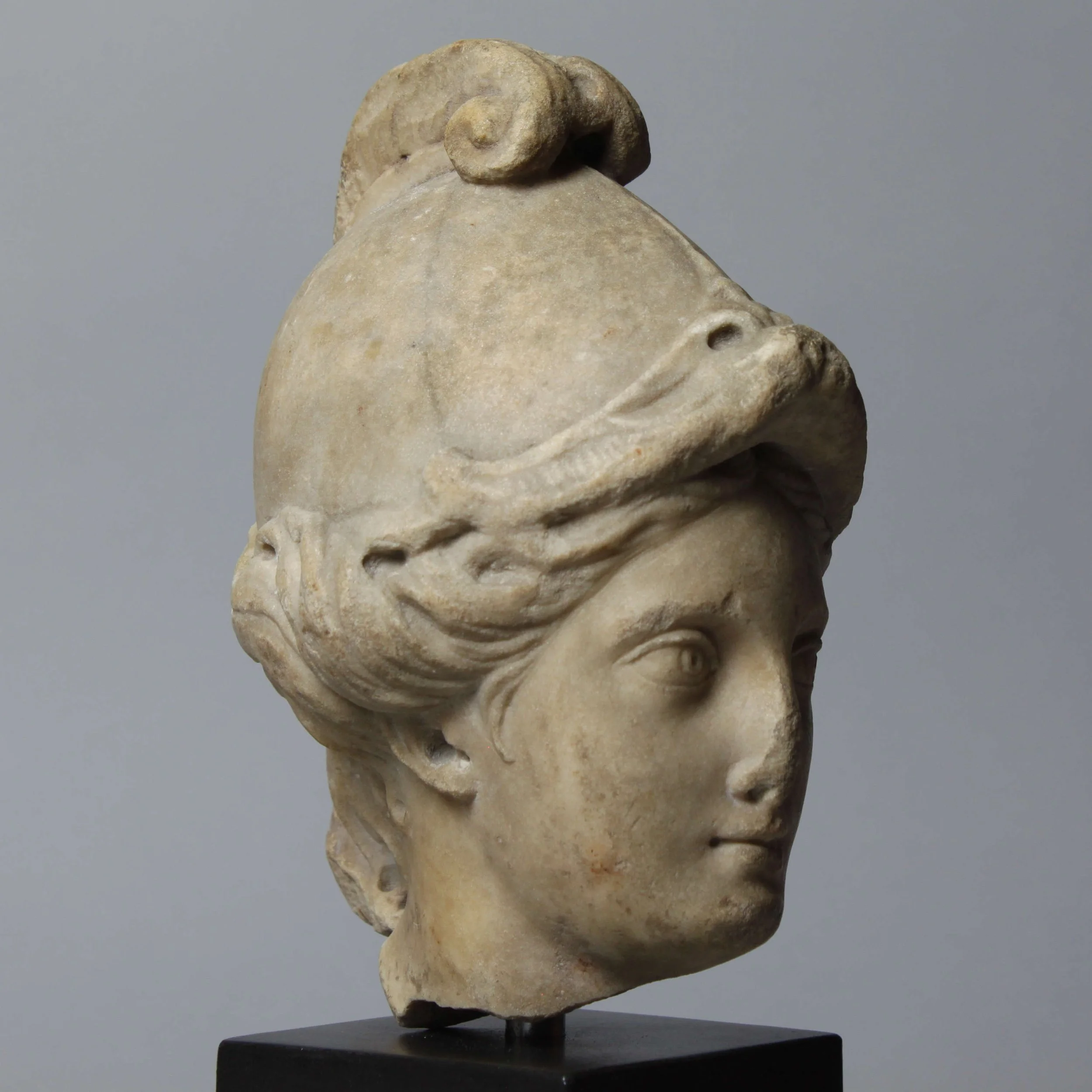 Image 2 of 7
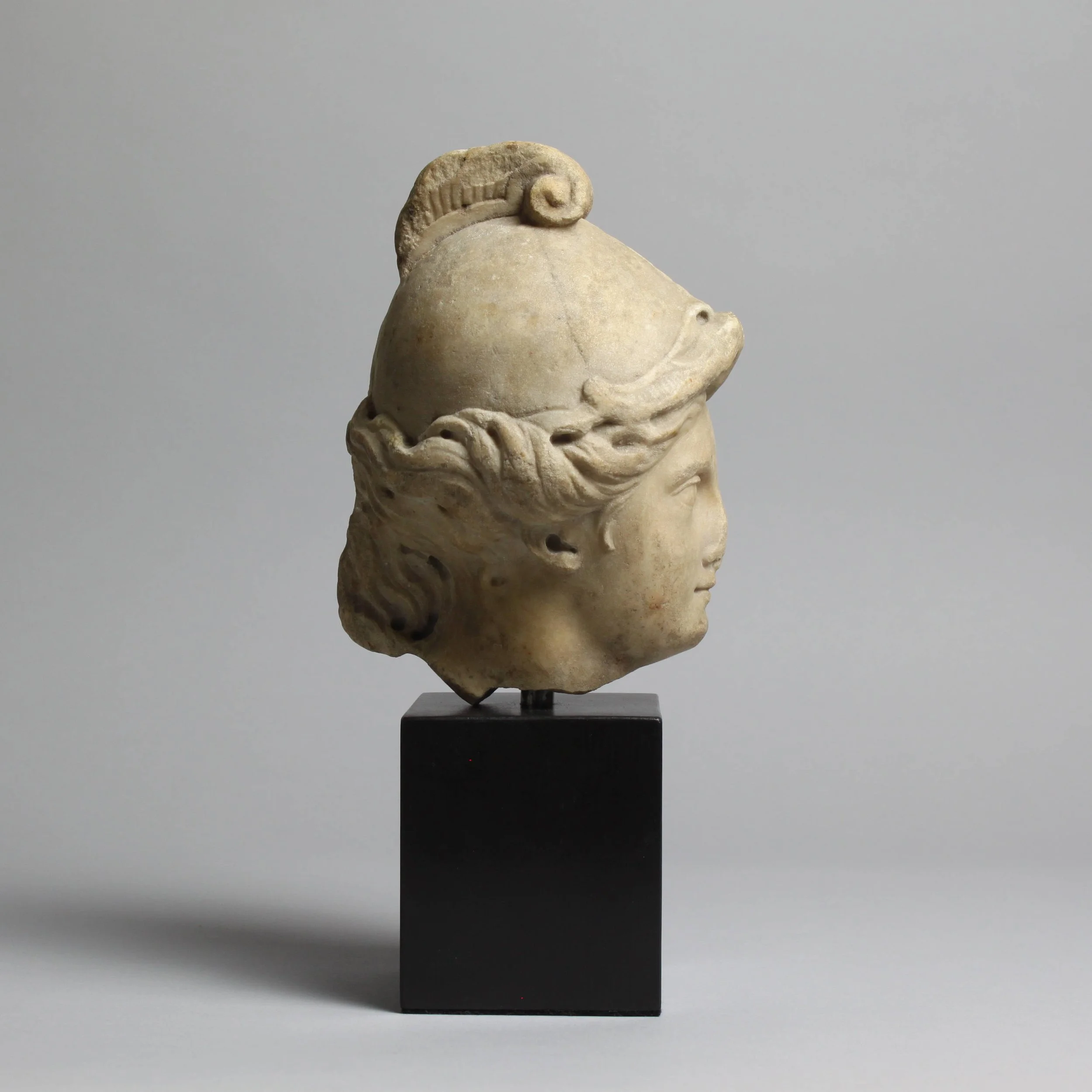 Image 3 of 7
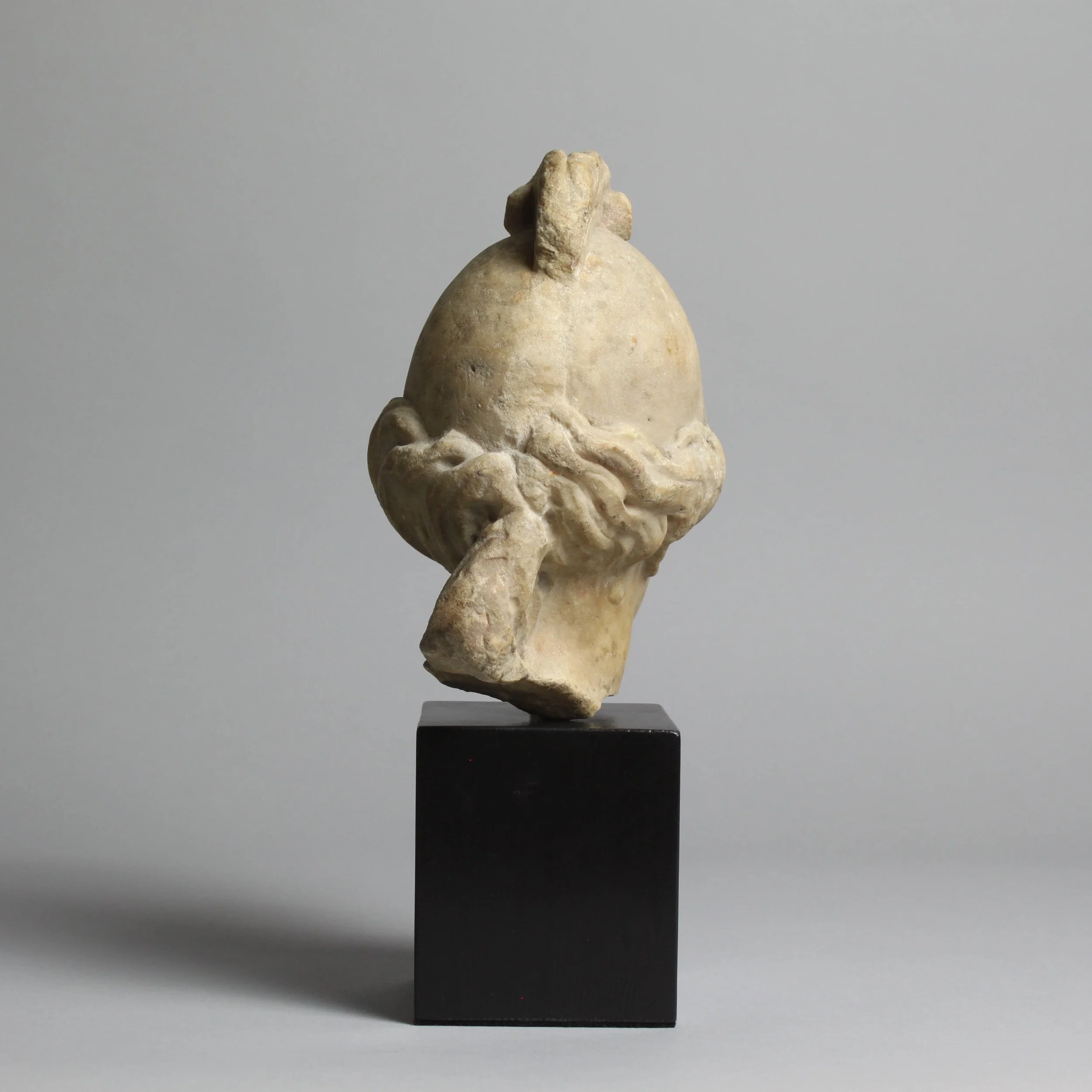 Image 4 of 7
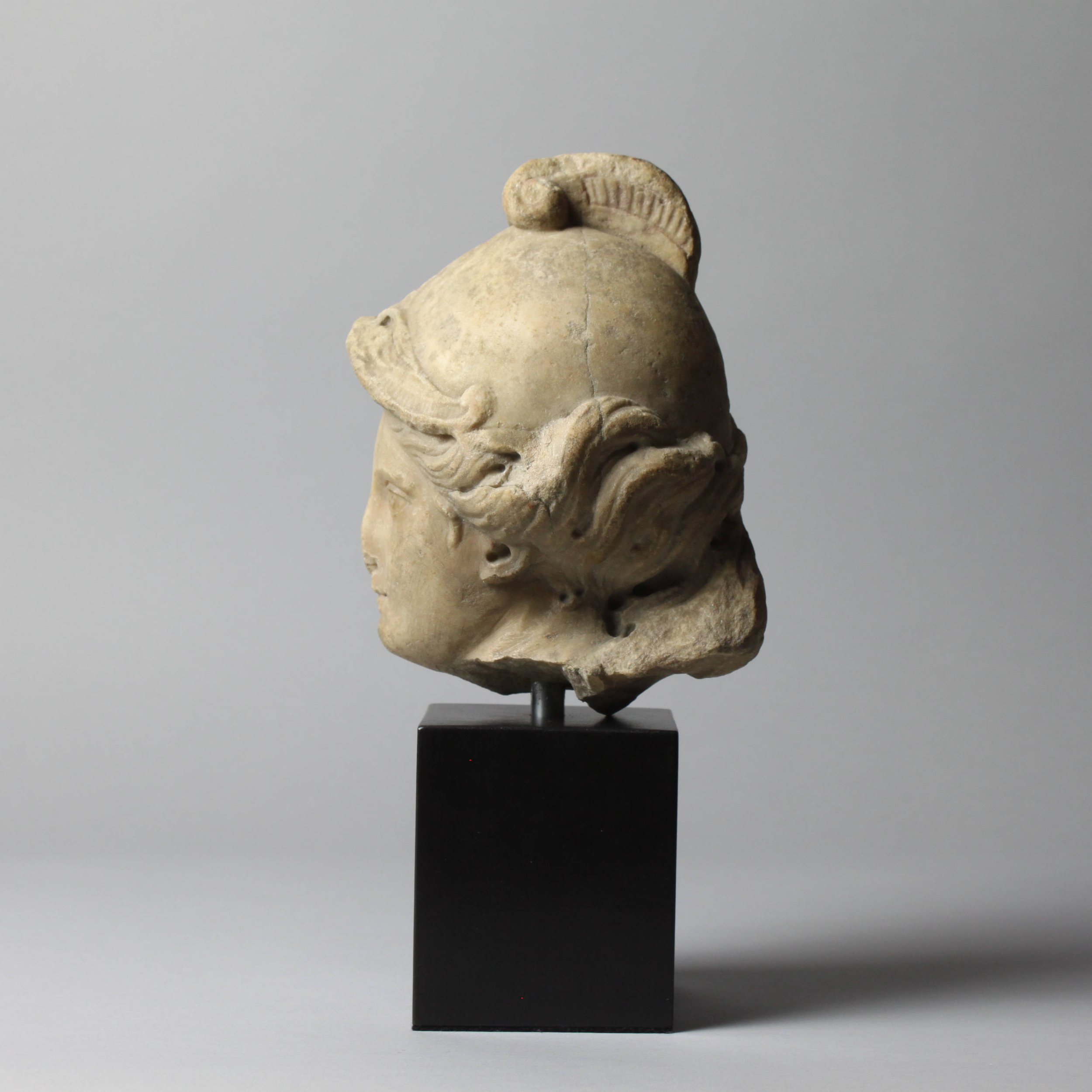 Image 5 of 7
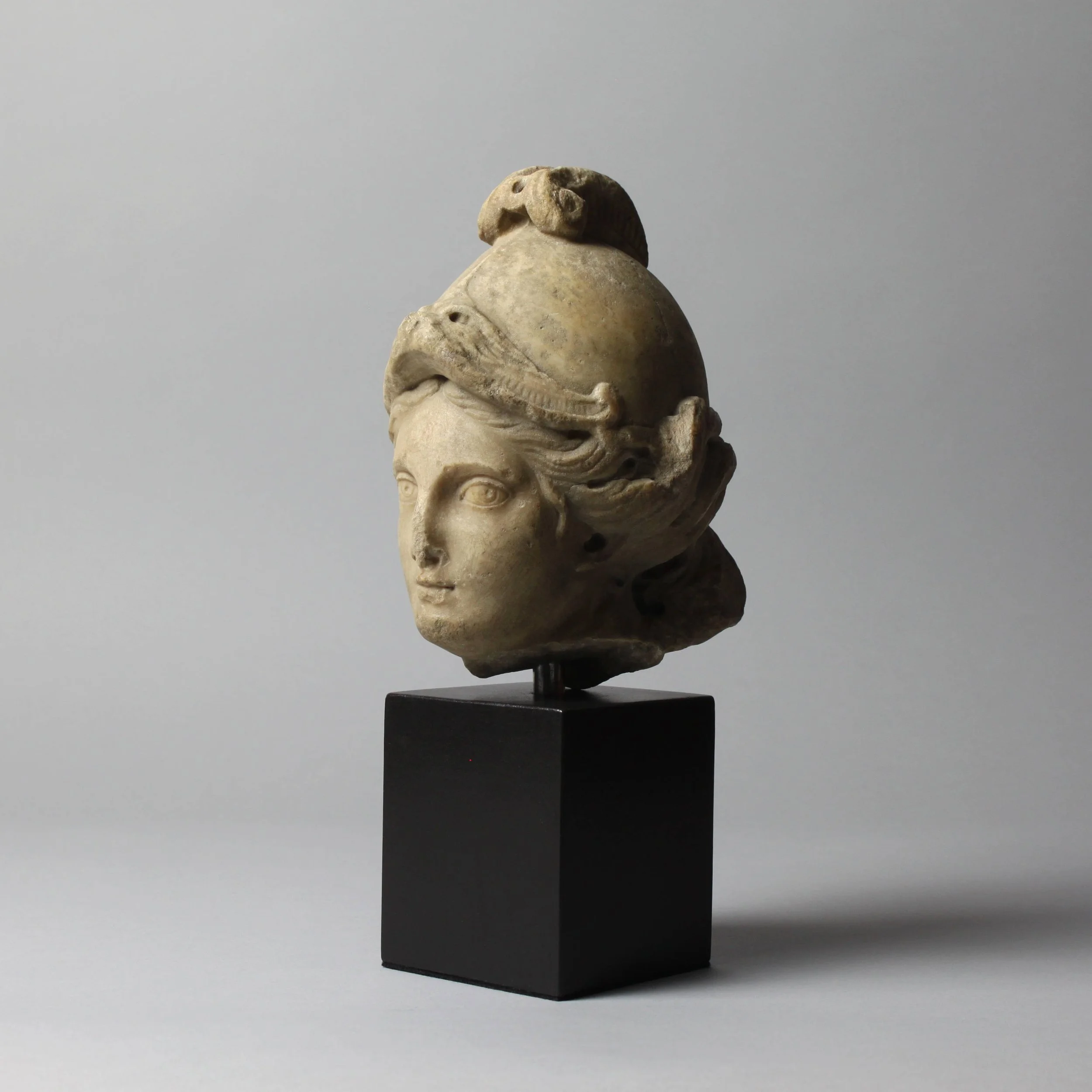 Image 6 of 7
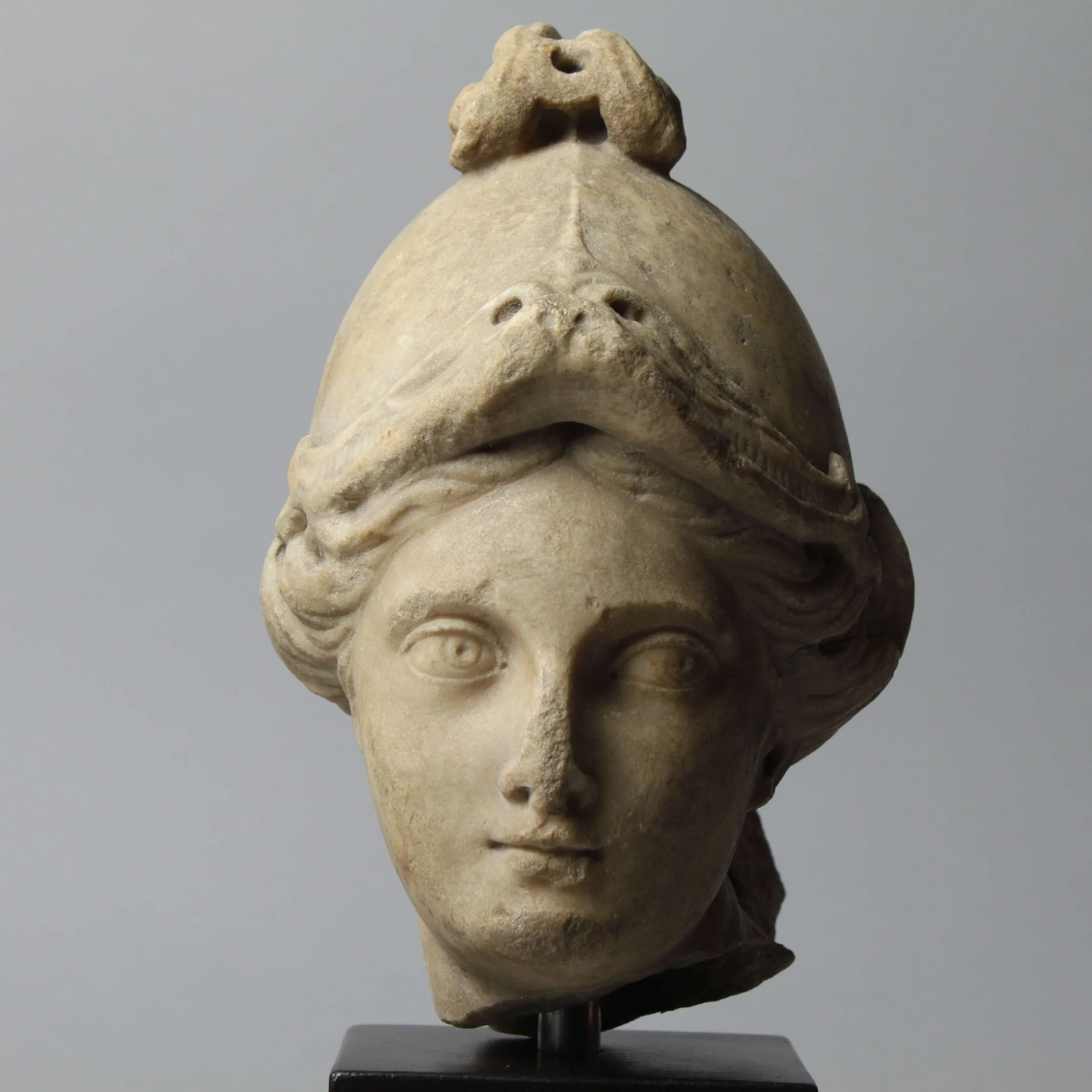 Image 7 of 7